

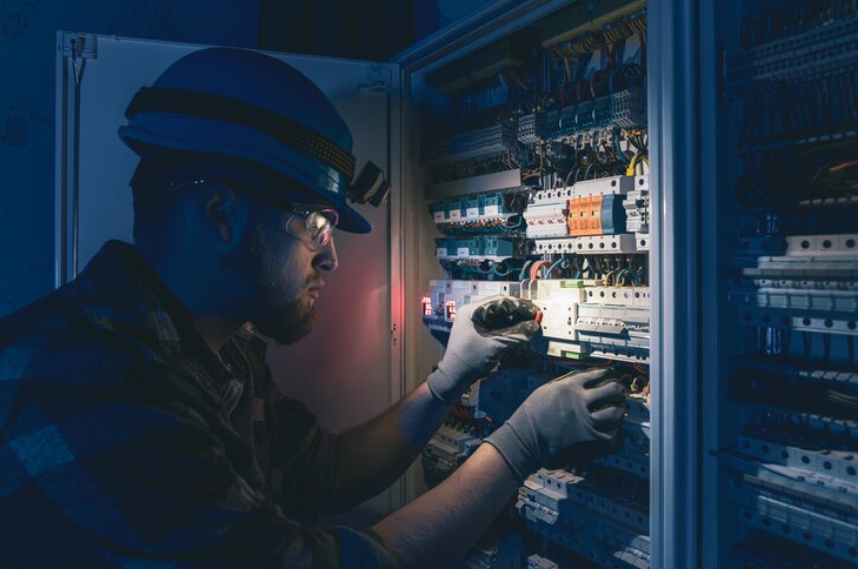
It’s a fact that a safe home in Ontario, ON simply goes past any aesthetic changes and janitorial chores. Back in your walls, there’s an incredibly intricate system of wires, breakers, and outlets that all conform to the Ontario Electrical Safety Code or OESC standards. In today’s era of constant innovation and increasing electricity use, many homes in the Simcoe County region simply can’t cope with the ever-changing electrical demands and corresponding codes associated with your average Ontario home electrical systems.
Regardless of whether you are undertaking a total makeover or if you are just interested in learning what is safe in your own home, it is essential to be aware of these infractions. But should you happen to recognize that there is an emergency, say for example that you smell smoke or there is an arc emanating from an electrical outlet, you need to call an emergency electrician.
1. Missing GFCI Protection in Wet Areas
One of the most common violations of the electrical code within the province of Ontario regards the absence of Ground Fault Circuit Interrupter protection. According to the OESC, Ground Fault Circuit Interrupters must be used whenever there is a potential for water near electricity, namely kitchens, bathrooms, laundry rooms, or outdoor locations.
Why It Matters
A GFCI is a safety switch that quickly responds. This device watches for the flow of electricity and turns off the electricity instantly (in less than 1/40th of a second) if a “leak” or groundfault is sensed. Otherwise, a person standing near a wet sink, touching a defective appliance, could receive a potentially deadly electric shock
For residents looking for a qualified electrician Barrie homeowners trust, upgrading these outlets is a common and essential safety task.
2. Overloaded and Outdated Electrical Panels
Many homes built several decades ago were designed for a 60-amp or 100-amp service. In the modern era of EV chargers, high-end HVAC systems, and multiple smart devices, these panels are often pushed to their limit. Common residential wiring code problems include “double tapping” (where two wires are forced into a single-pole breaker) or using “tandem” breakers in a
panel not rated for them.
The Risks of Overloading
- Heat Accumulation: Overloaded panels generate excessive heat, which can melt wire insulation.
- Fire Hazard: Arcing at the busbar is a leading cause of residential fires.
- Frequent Tripping: If your breakers trip constantly, it’s a sign your system cannot handle the load.
If you are experiencing these symptoms in the South Simcoe area, consulting an electrician Innisfil specialist can help determine if a panel upgrade to 200-amp service is necessary.
3. Improper Use of Extension Cords
It is a common sight: an extension cord running along a baseboard to power a space heater or a home office setup. However, the OESC is clear—extension cords are for temporary use only. Using them as permanent wiring is a significant violation.
The Danger of Permanency
Extension cords are not designed to be buried in walls or tucked under rugs. They can easily fray, overheat, or become pinched by furniture. If you find yourself relying on power strips for months at a time, you likely have insufficient wall outlets, which is a code deficiency. A professional electrician Angus residents rely on can install dedicated circuits and outlets to eliminate the need for these “temporary” fixes.
4. Unsecured Wiring and Open Splices
In basements and attics, one may observe the presence of “flying splices,” where the wires are connected using wire nuts but left exposed without the protection of a junction box. However, wiring connections must all be inside a plastic or metal junction box with a tightly closed cover.
Why Junction Boxes Are Vital
If a wire connection fails and sparks (arcs), the junction box is designed to contain that spark and prevent it from igniting nearby insulation or wood framing. Furthermore, cables must be secured to studs at specific intervals to prevent them from sagging or being damaged.
5. Failure to Install AFCI Protection
Since 2012, the electrical safety code Ontario has expanded requirements for Arc Fault Circuit Interrupters (AFCI). Unlike GFCIs which protect against shock, AFCIs protect against fires caused by “arcing”—invisible sparks that occur when a wire is damaged or a connection is loose.
Modern Compliance
Current standards require AFCI protection for almost all branch circuits supplying 125V receptacles in dwellings, with few exceptions like fridges or sump pumps. Many older homes lack this protection, leaving them vulnerable to “silent” fire starters behind the walls.
The Consequences of Non-Compliance
Ignoring these issues isn’t just a matter of safety; it has legal and financial implications.
| Consequence | Description |
| Insurance Denial | Many insurance companies require an ESA (Electrical Safety Authority) certificate as part of their requirements when living in Ontario. Failure to comply with revisions on permitted work can lead to your claim being denied should there be a fire and investigations show that the fire was caused by un-permitted or uncompleted |
| Home Resale Issues | Code Violations during Home Inspection The presence of code violations during a home inspection could lead to stalling of the selling process, and even cause the seller to reduce the price of the house |
| ESA Fines | Working without a permit or hiring an unlicensed “handyman” for electrical work can result in hefty fines from the ESA. |
Why You Need a Pro
In Ontario, all electrical work must be performed by a Licensed Electrical Contractor (LEC). These professionals are the only ones authorized to pull the necessary ESA permits and ensure the work is inspected and logged.
For more detailed information on the specific technical requirements which serves as the official regulatory body for electrical safety in the province.
Summary of Common Violations
- GFCIs: Missing in kitchens, baths, and outdoors.
- Panels: Overcrowded, double-tapped, or outdated (e.g., Federal Pacific or Zinsco panels).
- Wiring: Improperly handled aluminum wiring or ungrounded two-prong outlets.
- Permits: DIY work done without ESA notification.
Next Steps for Homeowners
If you think your home may be hiding some serious electrical troubles, you shouldn’t wait until a flicker becomes a disaster. There may be a very serious safety risk at your house. Take a home safety inspection.
Ensuring a Safe Future for Your Ontario Home
The intricacies of the electrical code imposed by Ontario can be intimidating, but these codes have one important purpose: keeping your family and belongings safe. Whether it is the life-saving protection afforded by GFCIs in the bathroom, or the fire-protection capability of AFCIs in breakers, code compliance is your best protection.
When you are a resident of Simcoe County, it’s important to take up such typical domestic electricity code-related problems with a professional and not with the “handy” next-door neighbor since electricity calls for and involves precision, up-to-date familiarity with the regulations and the equipment possessed only by a licensed expert. In the event you are in need of an electrical check by an electrician in Barrie or perhaps an electrical panel replacement in Innisfil or any other professional fixing by an electrician in Angus, it’s important to engage the services of an LEC to get it right the first time around.
Do not wait until a mere flicker becomes an actual emergency situation. By taking proactive steps to locate and repair any possible Ontario electrical code violations in your property, you are safeguarding your property, verifying the validity of your insurance policy, and, most importantly, providing your family with the indispensable gift of peace of mind. When you are ever caught up in an actual situation like an abrupt power cut or an electrical hazard in your home, you simply need to pick up the receiver to solve the situation with an experienced emergency electrician.