 Skip to content

As for the homeowners’ trust,hiring an emergency electrician is one of the most mandatory and important steps in ensuring that a living space is safe and functional. The electrical problems creep up silently behind the walls and in most cases, as they are not noticed until a serious situation arises or an emergency occurs. The problems and issues such as outdated wiring and overloaded circuits can be a serious threat to property and personal safety if any of the safety factors are neglected.
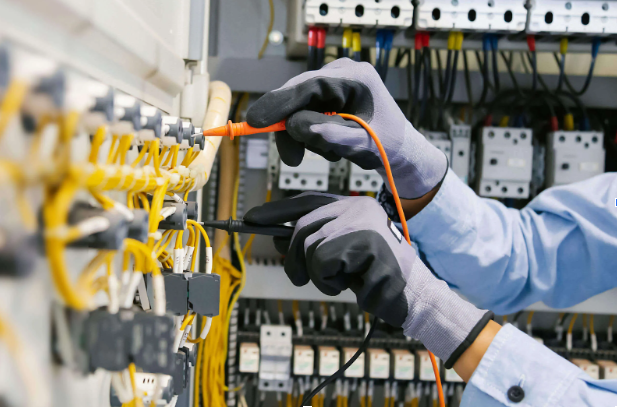
That is why the inspection and the maintenance services are useful in identifying potential hazards early to ensure that your home is safe, efficient and updated..
Residential Electrical Inspection
An electrician barrie refers to the thorough examination of the electrical system of a residential property carried out by a qualified individual. The aim of conducting this inspection is to determine the possible safety hazards, performance problems and outdated parts of the electrical system that may potentially cause electrical failures and fires.
The electricians’ inspection includes the inspection of the wiring, outlets, panels, grounding and electrical capacity. This is an important task, particularly in old houses that have the old wiring all over the house, new houses or houses that are being sold.
Understanding the Licensed Electrician Checklist
A professional inspection which follows a detailed licensed electrician checklist to ensure that nothing is overlooked. This checklist acts as a systematic guide, allowing electricians to evaluate both the visible and hidden components of the electrical system.
Common Items On The Checklist Include:
- Condition of main electrical panel
- Functionality of circuit breaker
- Type of wiring and condition of insulation on wires
- Grounding and bonding systems
- Safety of outlet and GFCI protection
- Connections for the smoke and carbon monoxide detector
This structured approach ensures consistency, accuracy and safety throughout the entire inspection procedure.
Electrical Inspections Are Essential For Houses
The electrical issues are one of the leading causes of house fires. Many of these types of fires can be prevented by recognizing potential problems early on by inspections.
Key Benefits of Electrical Inspections:
- Prevention from electrical fires and electrical shocks
- Recognize overloaded circuits
- Detection of outdated or damaged wiring
- Enhancement energy efficiency
- Enhancement in property value and buyer confidence
As inspections and reviewing the safety measures, which gives peace of mind by recognizing, detecting and identifying the potential problems before they become major issues and dangerous issues.
Best Time For An Electrical Safety Inspection
As though it is always a good practice to have an inspection, there are some occasions where it becomes even more imperative.
Recommended Times for Inspection:
- Selling or purchasing a home
- After major renovations or additions
- Homes over 25 to 30 years old
- Frequent tripping of the breakers or flickering of the lights
- Installing the high powered appliances or the EV charging stations.
As maintenance and proactive inspections reduce the long term repair costs and safety concerns.
Common Electrical Problems Found During Inspections
The electrical inspections may reveal problems that are not immediately apparent to homeowners.
Common Problems Identified:
- Loosely wiring or corroded wiring connections
- Outdated fuse boxes
- Improper DIY electrical work
- Insufficient and improper grounding
- Overloaded power strips and circuits
Addressing these issues promptly helps prevent serious damage and system failure.
The Role of Electrical Panels And Wiring
The electrical panel is the control center of your home’s electrical system. Inspectors will determine if it is capable of handling the current electrical load safely.
The old electrical systems may not be able to handle the demands of new appliances, which could lead to overheating. Upgrading these components will enhance safety and system reliability.
Electrical Inspections And Home Insurance
Many insurance companies demand evidence of a recent electrical inspection, particularly for older homes. A dangerous electrical system can cause the following:
- Increased Insurance cost
- Limitations on coverage
- Claims denial after an incident
A professional electrical inspection report is evidence of good homeownership practices and helps avoid complications with insurance.
Time Taken By An Electrical Safety Inspection
The time required for most residential electrical inspections is usually one to three hours, depending on the size of the house. Larger homes may take longer to inspect.
Once the inspection is done, the homeowner receives a report indicating the results of the inspection.
Repairing vs. Upgrading, Making the Right Decision
As not all problems will necessitate the need for the entire system to be replaced. Small repairs may be sufficient to fix isolated problems. Sometimes, problems with the system or frequent malfunctions may mean that it is time for an upgrade.
A licensed electrician can assist in deciding whether repairs are the best course of action or if a complete upgrade is the better option.
Why Electrical Code Compliance Matters for Homeowners
The ensuring of electrical code compliance is necessary for safety, legal reasons, and long term property value. Electrical codes are created to ensure that risks are reduced to a minimum and that safety procedures are standardized for residential properties.
Residential properties that are in compliance with current code requirements are safer, easier to insure and more desirable to potential buyers.
Final Thoughts
Therefore, the electrical systems are not something homeowners should take for granted. Regular inspections and these maintenance plays a vital role in preventing hazards, protecting investments and ensuring everyday comfort.
By scheduling professional inspections and addressing issues early, homeowners can maintain safe, reliable electrical systems that support modern living demands.
Frequently Asked Questions (FAQs)
Q1: How often should I get an electrical safety inspection?
As every 5 to 10 years or sooner for older homes or after major renovations.
Q2: Is an electrical inspection required when selling a home?
While not always legally required, it is highly recommended and often requested by buyers or insurers.
Q3: Can I perform my own electrical inspection?
As the basic, visual checks are fine, but full inspections should always be done by licensed professionals.
Q4: Do electrical inspections disrupt power?
Minimal disruption may occur, but inspections are generally quick and non-invasive.
Q5: Does passing an inspection mean my system is future proof?
It confirms current safety, but future upgrades may be needed as technology and usage change.